NATO Summit 2026 in Ankara: Key Attendees, Agenda, and the Strategic Implications for India
06 Jul 2026
NATO Summit 2026 in Ankara: Key Attendees, Agenda, and the Strategic Implications for India
As the geopolitical landscape continues to shift rapidly, global eyes are fixed on the capital of Turkey. The NATO Summit 2026, commencing on July 6, 2026, in Ankara, marks a pivotal moment for international relations, security alliances, and global economic frameworks. With world leaders gathering to address complex security challenges, the decisions made in Ankara will reverberate far beyond the borders of the North Atlantic Treaty Organization’s member states, directly impacting emerging global powers like India.
For Indian foreign policy observers, defense analysts, and businesses, understanding the dynamics of this summit is crucial. Although India is not a member of NATO, the alliance’s evolving policies, particularly concerning the Indo-Pacific region, maritime security, and technological partnerships, have profound implications for New Delhi’s strategic interests. This comprehensive guide explores the key attendees, the primary agenda items of the Ankara Summit, and why this event matters to India.
Why Ankara? The Strategic Significance of the Host Nation
Hosting the 2026 NATO Summit in Ankara is a highly symbolic and strategic choice. Turkey (Türkiye) occupies a unique geopolitical position as a land bridge between Europe and Asia, controlling the vital Bosporus and Dardanelles straits. As a NATO member with the second-largest standing military force in the alliance, Turkey plays a complex yet indispensable role in regional security.
By hosting the summit in Ankara, NATO underscores several critical points:
- The Black Sea and Middle East Security: Turkey’s proximity to the Black Sea, the Caucasus, and the Middle East positions it as a frontline state for many of the alliance’s most pressing security concerns.
- Diplomatic Balancing Act: Ankara has historically maintained a delicate balance in its relations with both Western allies and non-NATO powers like Russia. The summit provides a platform to address these complex bilateral dynamics.
- Defense Modernization: Turkey’s domestic defense industry has grown significantly, making it a key player in drone technology and maritime security, areas of great interest to NATO partners.
Who’s Attending the NATO Summit 2026?
The Ankara Summit brings together heads of state and government from all 32 NATO member countries, alongside key global partners. The attendee list reflects the alliance’s efforts to build a broader coalition to address global security challenges.
1. Core NATO Leadership and Western Powers
The summit will see participation from key Western leaders, including the President of the United States, the Prime Minister of the United Kingdom, the President of France, and the Chancellor of Germany. Alongside them, the NATO Secretary General will guide the sessions, aiming to foster unity and resolve among member states regarding defense spending and collective security commitments.
2. The Host Nation
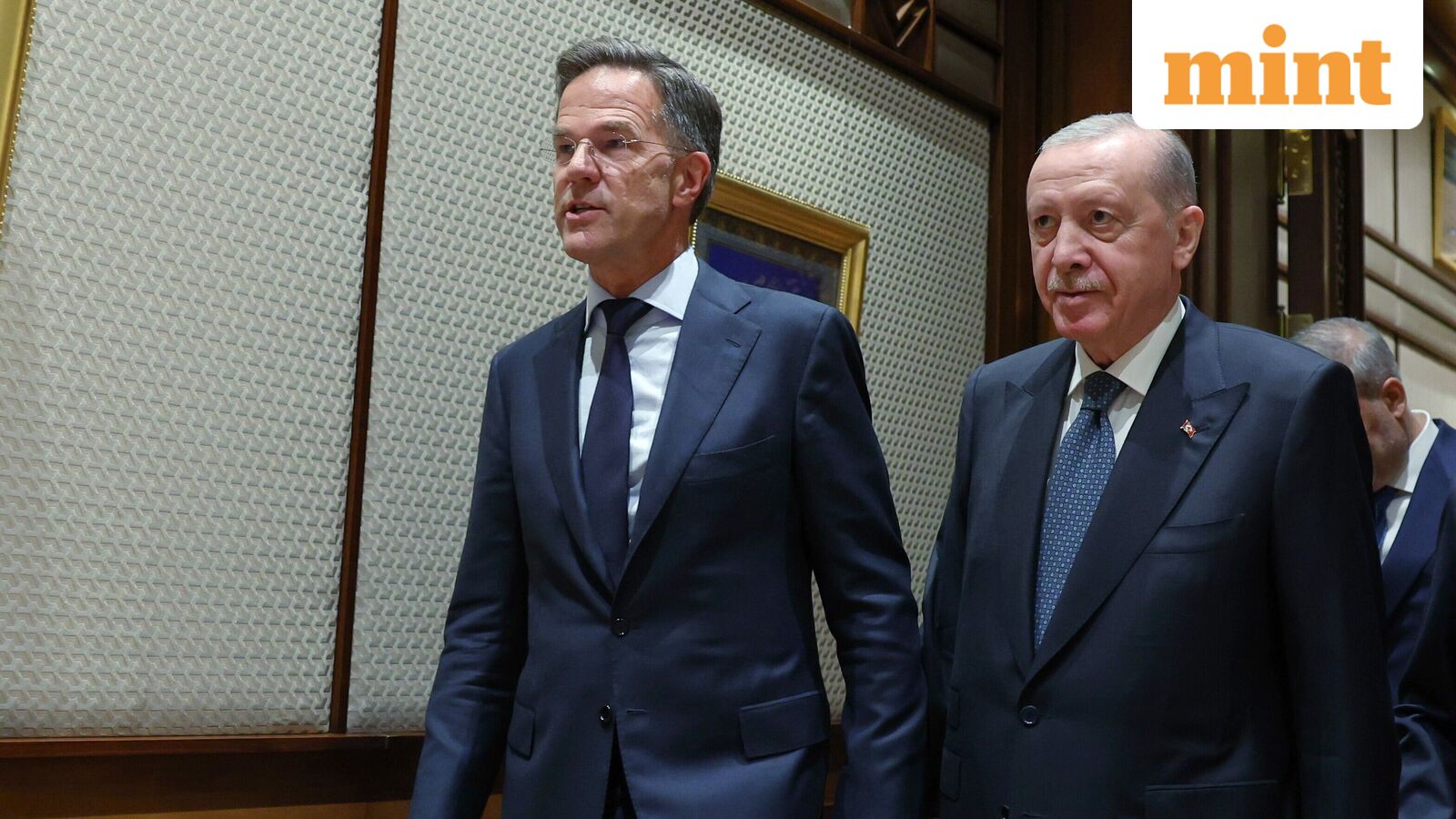
As the host, Turkish President Recep Tayyip Erdoğan and senior Turkish diplomats will play a central role in steering discussions, particularly those concerning regional counter-terrorism, migration management, and security in the Black Sea basin.
3. The Indo-Pacific Partners (AP4)
Significantly, the summit continues the trend of inviting NATO’s key Indo-Pacific partners, often referred to as the AP4 (Asia-Pacific Partners):
- Japan
- South Korea
- Australia
- New Zealand
The presence of these nations highlights NATO’s recognition that security in Europe is intrinsically linked to security in the Indo-Pacific, a concept that directly intersects with India’s strategic sphere of influence.
---The Core Agenda: What Leaders Will Discuss in Ankara
The agenda for the July 6, 2026, summit is packed with high-stakes topics aimed at modernizing the alliance and preparing it for future conflicts. Key areas of discussion include:
1. Strengthening the Eastern Flank and Deterrence
A primary focus remains the reinforcement of NATO’s collective defense posture along its eastern borders. Leaders will discuss the deployment of rapid-reaction forces, enhanced air defense systems, and the pre-positioning of military equipment to deter potential aggression.
2. Defense Burden-Sharing and Budgets
The debate over defense spending continues to be a central theme. Member states will review their progress toward meeting the target of spending at least 2% of their Gross Domestic Product (GDP) on defense, with several nations pushing for even higher commitments in light of the current global threat environment.
3. Cybersecurity, AI, and Emerging Technologies
Modern warfare is increasingly fought in the digital domain. The Ankara Summit will address the integration of Artificial Intelligence (AI) in military operations, protecting critical national infrastructure from state-sponsored cyberattacks, and securing global supply chains for critical technologies like semiconductors.
4. Maritime Security and Global Trade Routes
With global trade highly dependent on secure sea lanes, NATO leaders will discuss strategies to protect critical maritime passages, including the Black Sea, the Mediterranean, and key corridors linking the Atlantic and Indo-Pacific oceans. This discussion is of paramount importance to trading nations worldwide, including India.
---The Indian Perspective: Why the NATO Summit Matters to New Delhi
While India maintains its traditional policy of strategic autonomy and is not a member of any military alliance, the outcomes of the NATO Summit in Ankara will have a direct bearing on India’s geopolitical and economic interests.
1. The Indo-Pacific Connection
NATO’s increasing engagement with Indo-Pacific partners (the AP4) indicates a structural shift in global security architecture. India, as a leading power in the Indo-Pacific and a key member of the Quad (alongside the US, Japan, and Australia), closely monitors NATO’s footprint in the region. Any collective security decisions regarding maritime security and freedom of navigation in the Indo-Pacific will require diplomatic coordination and alignment with India’s own regional strategies.
2. Balancing Relations with Russia and the West
India has long-standing, strategic defense and energy ties with Russia, while simultaneously building robust strategic partnerships with Western nations, particularly the United States, France, and the UK. Decisions made at the NATO summit regarding sanctions, defense posture, and geopolitical alignments will require India to continuously fine-tune its delicate diplomatic balancing act.
3. Defense Technology and Cyber Security Cooperation
As NATO focuses heavily on emerging technologies, AI, and cybersecurity, Indian defense and tech sectors stand to gain from potential bilateral partnerships. India’s growing prowess in IT, software development, and space technology makes it an attractive partner for individual NATO member states looking to diversify their technological supply chains away from adversarial nations.
4. India-Turkey Bilateral Dynamics
The choice of Ankara as the host city shines a spotlight on Turkey’s foreign policy. India-Turkey relations have seen periods of diplomatic friction, particularly over regional issues. However, bilateral trade and economic cooperation have remained resilient. The summit provides an opportunity for Indian diplomats to assess Turkey’s evolving role within the Western alliance and how it might impact Ankara’s policy toward South Asia.
---Implications for the Global Economy and Trade
Geopolitical stability is the bedrock of economic prosperity. The decisions taken at the NATO Summit will influence global markets in several ways:
- Energy Security: Discussions around regional stability in Europe and the Middle East directly affect global oil and gas prices, impacting India’s energy import bills.
- Defense Markets: Increased defense budgets among NATO members will drive demand for advanced military hardware, drone technologies, and cyber defense systems, creating opportunities and challenges for global supply chains.
- Supply Chain Resilience: The summit’s focus on securing critical technologies will accelerate the trend of "friend-shoring"—routing supply chains through politically allied nations—which could benefit India’s manufacturing sector.
Conclusion: A Defining Moment for Global Geopolitics
The NATO Summit 2026 in Ankara is more than just a meeting of Western allies; it is a barometer for the future of global security and cooperation. As leaders deliberate on defense, technology, and regional stability, the ripple effects will be felt across the globe, including in New Delhi.
For India, the summit serves as a reminder of the interconnected nature of modern security. By maintaining its strategic autonomy while actively engaging with global partners on shared challenges like cybersecurity, maritime safety, and counter-terrorism, India is well-positioned to navigate the evolving global order shaped by the outcomes of the Ankara Summit.
---Frequently Asked Questions (FAQs)
1. Is India a member of NATO?
No, India is not a member of NATO. India maintains a policy of strategic autonomy and non-alignment with military blocs. However, India engages in bilateral defense and security cooperation with several individual NATO member states, such as the United States, France, and the United Kingdom.
2. Why is the 2026 NATO Summit being held in Ankara, Turkey?
Turkey is a key member of NATO, possessing the alliance's second-largest military force. Hosting the summit in Ankara highlights Turkey's strategic importance as a bridge between Europe, Asia, and the Middle East, and its crucial role in regional security, maritime control, and counter-terrorism.
3. What is the "AP4" and why are they at the NATO Summit?
The AP4 refers to NATO's four Asia-Pacific partners: Japan, South Korea, Australia, and New Zealand. They are invited to NATO summits because the alliance increasingly recognizes that security challenges in Europe and the Indo-Pacific are interconnected, particularly regarding maritime security, cybersecurity, and supply chain resilience.
4. How does the NATO Summit affect Indian businesses and the economy?
The summit can impact Indian businesses by influencing global energy prices, driving international defense procurement trends, and shaping policies around technology transfers and cyber security. Additionally, NATO's focus on secure, resilient supply chains may encourage "friend-shoring," potentially boosting India's manufacturing and IT sectors.
5. What are the main topics of discussion at the Ankara Summit?
The primary agenda items include reinforcing NATO's defense and deterrence capabilities, reviewing member states' defense spending targets (the 2% GDP goal), addressing cybersecurity and artificial intelligence in modern warfare, and securing critical global maritime trade routes.




Comments
Join the discussion. First-time comments are reviewed before publishing.
No approved comments yet.