Global Energy Shocks Force African Central Banks to Maintain Hawkish Interest Rates Amid Middle East Tensions
21 Jul 2026
Overview: Geopolitical Tensions and Emerging Market Monetary Policy
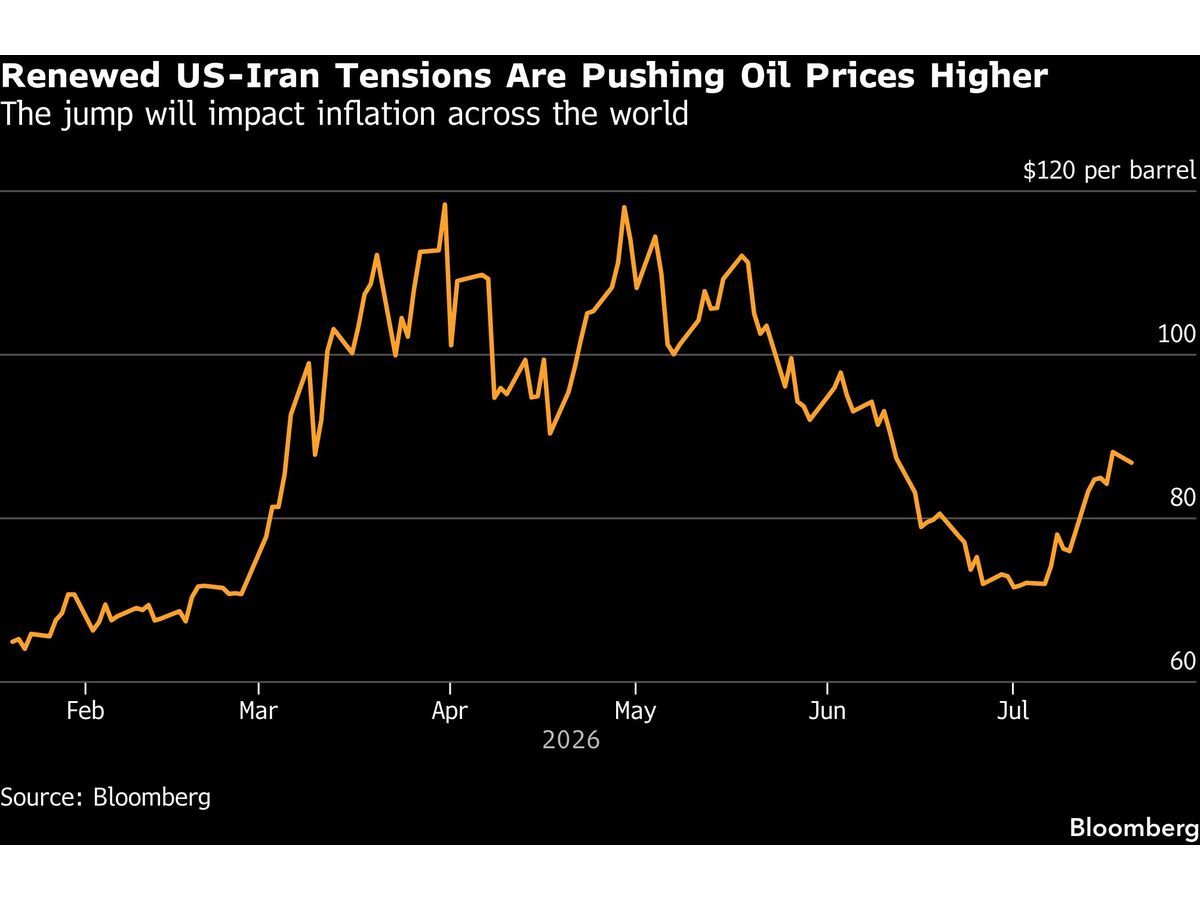
Escalating hostilities between the United States and Iran, alongside severe disruptions in critical energy transit corridors like the Strait of Hormuz, are sending shockwaves through global commodity markets. For emerging and frontier economies across Africa, the renewed volatility in global crude oil and fertilizer prices has disrupted monetary policy roadmaps. Central banks that were previously preparing to ease monetary conditions or lower interest rates are now forced to adopt a hawkish stance, prioritising price stability and currency protection over growth stimulation.
As net fuel importers, many African nations are particularly vulnerable to supply-side energy shocks. Higher global benchmark oil prices translate rapidly into elevated domestic pump prices, increased transportation overheads, and downstream food price inflation. Consequently, monetary policy committees (MPCs) across the continent are keeping interest rates higher for longer to anchor inflation expectations and mitigate severe foreign exchange risks.
The Mechanism: Energy Prices, Transportation Costs, and Inflationary Spirals
When geopolitical conflicts disrupt shipping lanes such as the Strait of Hormuz—a bottleneck through which a significant portion of the world's petroleum and petroleum products passes—the immediate consequence is a global surge in crude oil and fertilizer prices. For economies reliant on imported fuel, the transmission mechanism to domestic inflation is swift and direct:
- Direct Energy Inflation: Domestic fuel stations immediately reflect elevated import costs, raising consumer prices for gasoline, diesel, and kerosene.
- Secondary Logistics Impact: Increased freight and logistics costs trickle into the agricultural and retail sectors, raising food prices and everyday consumer goods.
- Agricultural Costs: Disruptions in global fertilizer supply chains exacerbate farming expenses, diminishing crop yields and increasing baseline food inflation.
- Currency Depreciation Pressure: Higher import bills require greater foreign currency outlay, exacerbating balance-of-payment pressures and putting downward pressure on domestic currencies.
According to economic analysis from Rand Merchant Bank, published via Bloomberg reporting, higher fuel prices in oil-importing nations are now directly feeding into transport, food, and broader headline inflation metrics. This dynamic is shifting central bank debates from deciding how soon to ease rates to determining how long borrowing costs must remain restrictive.
Country-by-Country Monetary Policy Breakdown
Across Africa, at least 11 central banks are reviewing their interest rate stances against the backdrop of global energy uncertainty. Below is a detailed regional overview of how key monetary authorities are responding to these emerging macroeconomic pressures.
1. Nigeria: Elevated Rates Amid Persistent Price Expectations
The Central Bank of Nigeria (CBN) has maintained a tight monetary policy, with key interest rates sitting at 26.5%. Despite prior expectations of eventual monetary easing, persistent domestic price pressures and elevated inflation expectations have effectively closed the door on near-term rate cuts. Financial strategists at Societe Generale note that survey data reveals a majority of domestic businesses and consumers expect inflation to accelerate over the coming months, largely driven by domestic fuel spikes and structural import dependencies. As a result, the CBN is expected to keep benchmark borrowing costs firm.
2. Ghana: Import-Driven Inflation Keeps Cuts on Hold
The Bank of Ghana, which holds its benchmark interest rate at 14%, faces a similar dilemma. While economic stabilization efforts had created optimism for further monetary easing, recent increases in global import prices and local inflationary rebounds have prompted a cautious pause. Lowering borrowing costs prematurely risks destabilizing the Ghanaian cedi and stoking further price increases across essential commodities.
3. South Africa: Balancing Growth, Rand Dynamics, and Federal Reserve Signals
In Africa's most developed financial market, the South African Reserve Bank (SARB) faces a complex economic balancing act. Initial forecasts suggested that moderating domestic inflation could allow Governor Lesetja Kganyago to maintain or lower interest rates toward the central bank's target path. However, the subsequent rebound in crude oil prices has shifted market sentiment, increasing the probability of a 25-basis-point rate hike to bring the repo rate to 7.25%.
Market analysts at Morgan Stanley highlight that while current oil price levels remain within manageable boundaries for long-term forecasts, external risk factors remain paramount. A potential shift toward a more hawkish monetary policy by the US Federal Reserve would strengthen the US dollar, placing renewed pressure on the South African rand, sovereign risk premia, and capital inflows. These factors heavily influence monetary policy decisions across the Southern African Common Monetary Area.
4. Southern African Pegged Economies: Eswatini, Lesotho, and Namibia
The monetary authorities of Eswatini, Lesotho, and Namibia operate currency peg arrangements aligned with the South African rand. Consequently, interest rate decisions made by South Africa's Reserve Bank directly dictate the policy direction for these neighboring nations. As South Africa prepares for sustained high interest rates or potential hikes, these nations must follow suit to maintain currency parities and prevent capital outflows.
5. Mozambique and Malawi: Intense Fiscal and Forex Pressures
In Mozambique, where inflation, foreign exchange shortages, and fiscal constraints continue to mount, monetary policy is shifting sharply higher. Forecasts indicate that the MIMO policy rate could rise incrementally from 9.25% toward 10.5% as the central bank works to contain foreign exchange distress and rising living costs. Similarly, Malawi faces structural macroeconomic pressures and is maintaining elevated interest rates to prevent severe currency volatility.
6. East Africa: Kenya, Uganda, and Mauritius Hold the Line
In East Africa, central banks in Kenya, Uganda, and Mauritius are expected to keep benchmark rates unchanged. Although Kenya's recent headline inflation readings came in slightly below central bank forecasts, economists emphasize that the scope for rate cuts is non-existent. Rising baseline inflation expectations and potential second-round effects from elevated global energy prices mandate a cautious, conservative approach to monetary policy across the region.
Comparative Macroeconomic Summary Table
| Country | Central Bank Status / Expectations | Key Policy Rate / Range | Primary Economic Drivers |
|---|---|---|---|
| Nigeria | Hold Expected | 26.5% | Elevated inflation expectations, fuel cost spikes |
| Ghana | Hold Expected | 14.0% | Rising import costs, cedi stability concerns |
| South Africa | Hike / Hold Balance | 7.0% - 7.25% | Crude oil rebound, rand weakness, US Fed outlook |
| Mozambique | Hike Expected | 9.25% → 10.5% | Forex scarcity, fiscal strain, persistent inflation |
| Kenya | Hold Expected | Cautious Neutral | Energy second-round risks, inflation expectations |
Global Implications for Emerging Markets and Indian Investors
The policy dilemmas faced by African central banks hold important insights for investors and policymakers across other energy-importing emerging markets, including India. Like many African nations, India imports a vast majority of its crude oil requirements. When geopolitical conflicts in the Middle East disrupt energy transit routes like the Strait of Hormuz, the economic transmission mechanisms remain identical:
- Imported Inflation: Escalating energy costs drive up local input costs for manufacturing, logistics, and agriculture.
- Current Account Pressures: Expanding trade deficits put pressure on emerging market currencies against the US dollar.
- Monetary Tightening Duration: Central banks are required to delay interest rate easing cycles, keeping domestic corporate borrowing costs higher for longer.
For investors tracking international trade, commodity benchmarks, and global macroeconomic trends, the synchronized pause in rate cuts across developing nations underlines a fundamental reality: global geopolitical shocks take precedence over domestic growth considerations in central bank policy decision-making.
Conclusion
The geopolitical conflict between the US and Iran and the disruption of critical energy shipping lanes have altered the trajectory of global monetary policy. Central banks across Africa, backed by credibility gained through prudent policy adjustments in recent years, are prioritizing inflation control and currency stability over monetary easing. As long as global energy markets remain vulnerable to Middle Eastern supply disruptions, interest rates across emerging oil-importing economies are bound to remain higher for longer.
Frequently Asked Questions (FAQs)
Why are Middle East tensions affecting African central bank rates?
Middle East hostilities, particularly around key maritime corridors like the Strait of Hormuz, disrupt global oil supply lines. This increases global crude oil prices, which directly inflates domestic fuel, transport, and food costs in net fuel-importing African nations, forcing central banks to maintain high interest rates to curb inflation.
What is the role of the Strait of Hormuz in energy prices?
The Strait of Hormuz is one of the world's most critical energy transit choke points. A large percentage of global sea-borne petroleum and liquid natural gas passes through this narrow passage. Any obstruction or war risk leads to immediate price spikes in global crude oil and fertilizer markets.
Will African central banks cut interest rates in the near future?
Most central banks in net oil-importing African nations have suspended plans for monetary easing. Rates are expected to remain unchanged or undergo incremental increases until energy prices stabilize, global inflation expectations cool down, and foreign exchange markets normalize.
How does South Africa's monetary policy affect neighboring countries?
Nations such as Eswatini, Lesotho, and Namibia have their local currencies pegged to the South African rand. Because of these monetary agreements, their central banks align their interest rate policies closely with the South African Reserve Bank to protect currency parity and maintain economic stability.




Comments
Join the discussion. First-time comments are reviewed before publishing.
No approved comments yet.